When termites damage the wooden structure of a property, quick action is essential to prevent further deterioration and costly repairs. At Bison Contractors, we provide trusted termite damage repair services for homeowners throughout San Diego. Our team understands how destructive termite infestations can be and works carefully to restore damaged framing, floors, walls, ceilings, and other structural components with long-lasting solutions tailored to your property.
Homeowners across San Diego trust us because we combine detailed inspections with high-quality workmanship. We understand that every infestation affects a home differently, which is why our repair process is customized to each project. In severe cases, termite activity may impact load-bearing components that require extensive restoration and coordination with additional structural damage repair work. Our goal is to complete repairs efficiently while protecting the long-term condition of your home.
Repairing wood after termites requires more than simply replacing visible damage. In many cases, termites weaken support structures from the inside out, creating hidden safety hazards that can worsen over time. Bison Contractors provides professional termite damage repair services that address both cosmetic and structural concerns. Our team carefully removes compromised materials, reinforces weakened areas, and restores affected wood to ensure your property remains stable and secure.
At Bison Contractors, we repair many different types of termite-related structural and cosmetic damage. Common repairs include replacing damaged framing, repairing subfloors, restoring drywall, rebuilding weakened support beams, and replacing deteriorated trim, siding, or decking materials. Our team also repairs damage to crawl spaces, ceilings, attic structures, and other vulnerable areas commonly affected by termites in San Diego homes.
No two termite infestations are exactly alike, which is why we take a detailed and personalized approach to every project. Some homes require minor wood replacement, while others involve larger structural restoration to restore safety and stability. We use durable materials and proven repair methods to ensure repairs not only improve the appearance of the property but also strengthen the structure for long-term protection against future damage.
Southern California is highly active for termites year-round due to the warm climate. The most common types are:
Many homeowners do not notice termites until significant damage has already occurred. Common signs include hollow-sounding wood, mud tubes along walls or foundations, bubbling paint, sagging floors, tight-fitting windows and doors, and small piles of termite droppings. You may also notice cracked wood, weakened support beams, or unexplained structural issues throughout the property.
Because termites often remain hidden inside walls and wood structures, professional inspections are important for identifying the full extent of the infestation. If you suspect termite activity, scheduling an inspection quickly can help prevent additional structural damage and reduce repair costs.

Repairs should be scheduled immediately after termite treatment is completed. Delaying can allow weakened structures to worsen and increase overall repair costs.
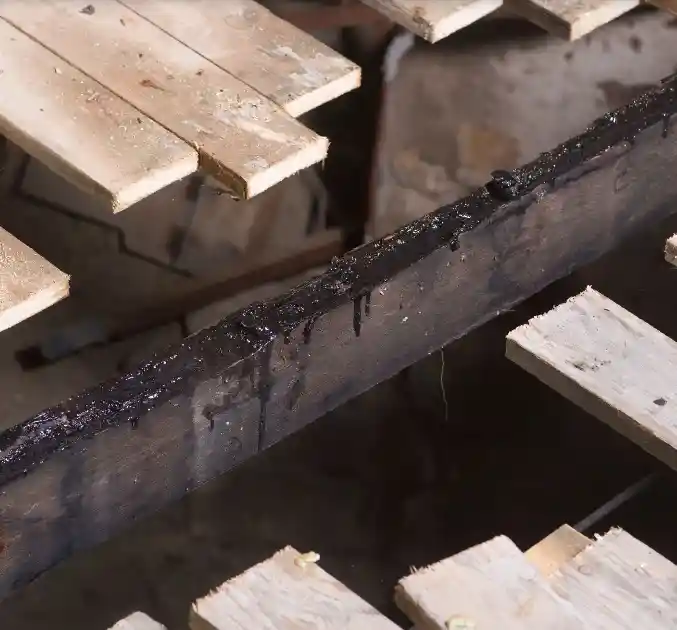
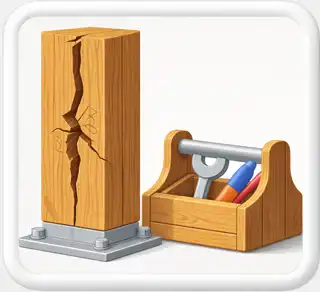
Termites feed on wood and can gradually hollow out structural components from the inside. This weakens beams, framing, flooring, and other wooden elements, potentially leading to structural instability if the damage is not repaired.
Many termite species are attracted to moisture because it helps them survive and access wood more easily. Damp areas around foundations, crawl spaces, or wooden structures can create conditions that make termite infestations more likely.
Yes, most termite wood damage can be repaired by replacing affected wood and reinforcing weakened structures. The extent of repair depends on how severe the infestation was.
Costs vary based on damage severity. Small repairs may be a few hundred dollars, while major structural work can cost several thousand.
Minor repairs can take a couple of days, while larger structural projects may take several weeks.
Reducing moisture around the home, sealing cracks in the structure, and addressing water leaks can help discourage termite activity. Regular inspections and maintenance also help identify potential issues before an infestation becomes severe.
Usually no. Most insurance policies don’t cover termite damage because it’s considered preventable maintenance.
What areas of a home are most vulnerable to termite damage?