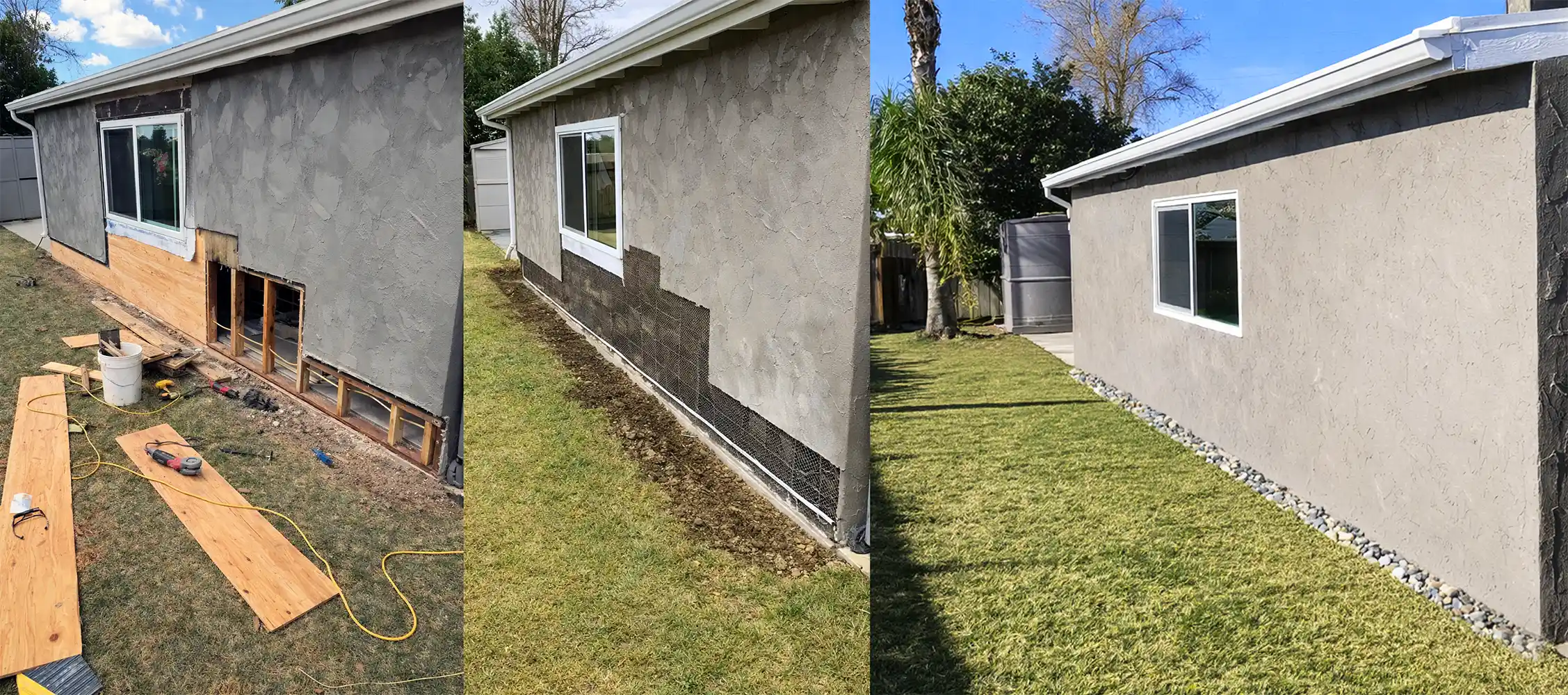
Structural damage repair involves restoring the strength and stability of a building’s structural components. In wooden structures, this typically includes repairing or replacing damaged beams, joists, and other load-bearing elements to ensure the structure remains safe and stable.
Structural damage can occur due to moisture exposure, termite activity, aging materials, weather conditions, poor maintenance, or excessive stress on structural components. Over time, these factors can weaken wood and affect the integrity of the structure.
Structural components such as beams and joists support the weight of the building. If these elements become weakened or damaged, the entire structure may become unstable, increasing the risk of further deterioration or potential collapse if not repaired.
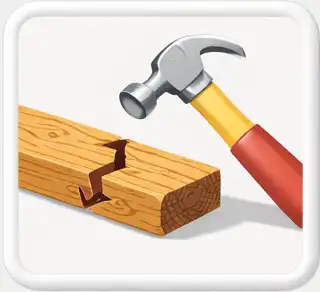
Signs of structural damage may include sagging floors or ceilings, visible cracks in walls, uneven surfaces, creaking sounds, or weakened wooden beams. In some cases, the damage may be hidden within walls or framing.
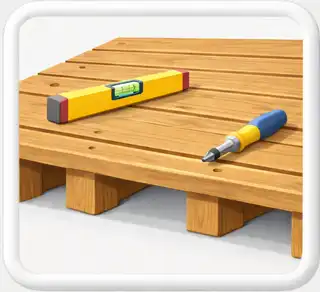
Beams and joists are key structural components that support floors, ceilings, and other parts of a building. They distribute weight throughout the structure and help maintain stability. If these elements are damaged, the structural integrity of the building can be compromised.
Damaged beams and joists may be repaired by reinforcing weakened sections or replacing the damaged wood with new material. Using the same type of wood as the original structure helps maintain compatibility and structural performance.
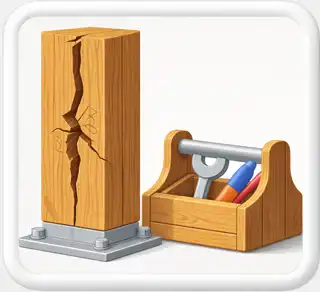
Reinforcement involves strengthening weakened areas of the structure to improve stability and durability. This may include strengthening connections, adding support where needed, and ensuring all structural elements are properly secured.
While not all structural issues can be avoided, regular inspections and maintenance can help identify potential problems early. Addressing moisture, pests, and minor damage promptly can help prevent more serious structural issues from developing.
Periodic inspections are recommended, especially in areas exposed to moisture or heavy use. Routine checks help identify early signs of damage so repairs can be made before the problem becomes more severe.
Yes. Properly repairing or replacing damaged structural components and reinforcing weakened areas can restore the building’s stability and ensure it remains safe for occupants.
A professional should be contacted if there are signs of sagging, cracking, weakened wood, or other structural concerns. Structural damage requires careful evaluation and repair to ensure the building remains safe and stable.