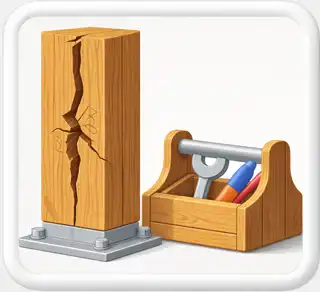
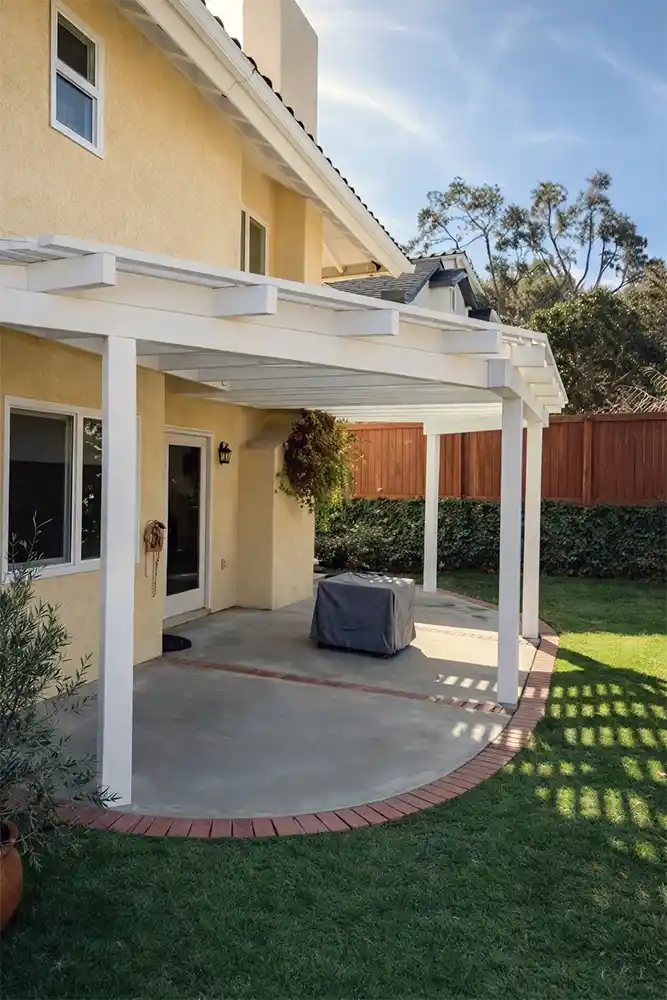
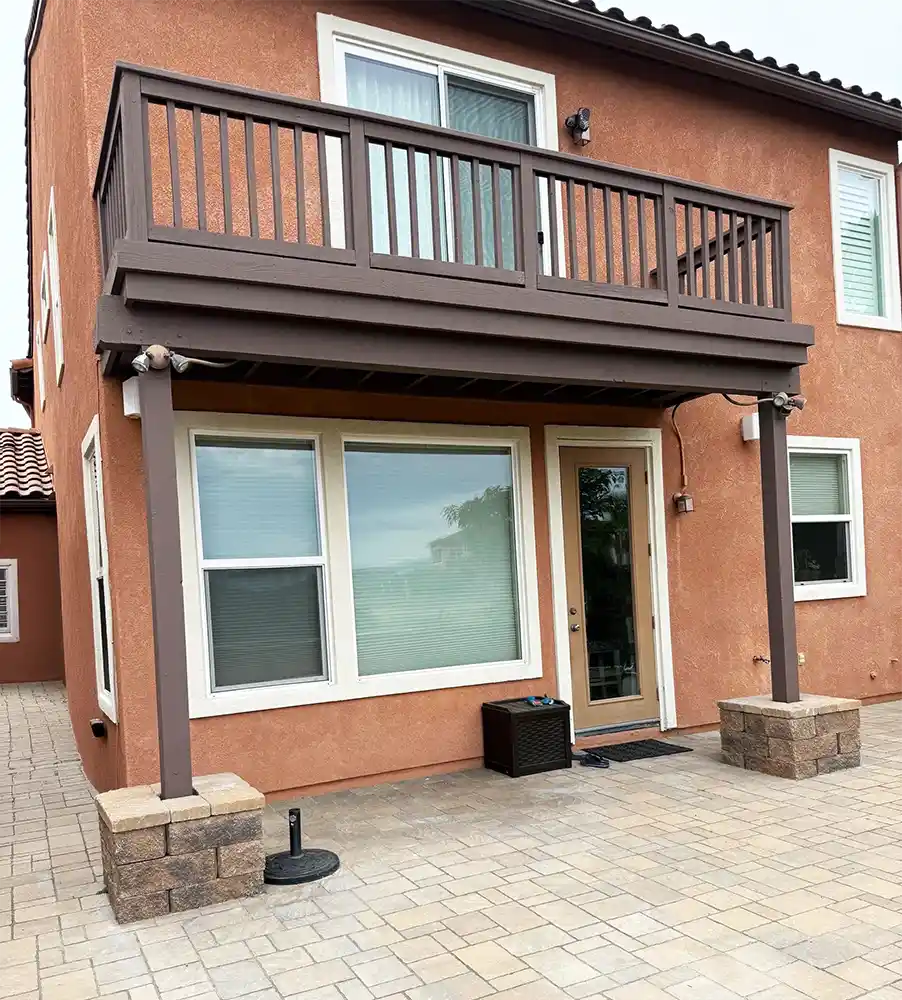
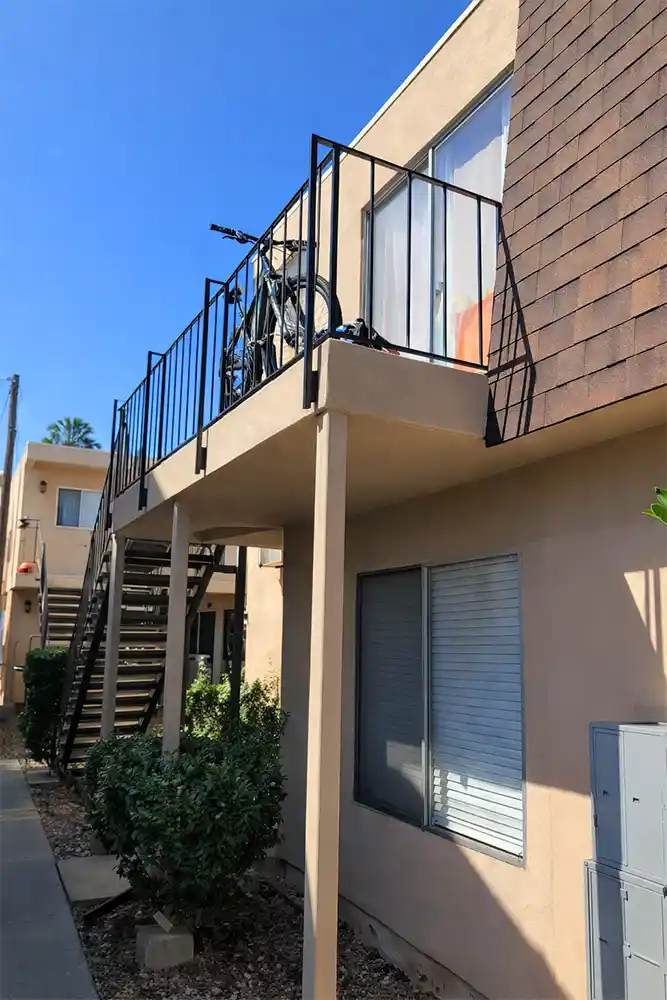
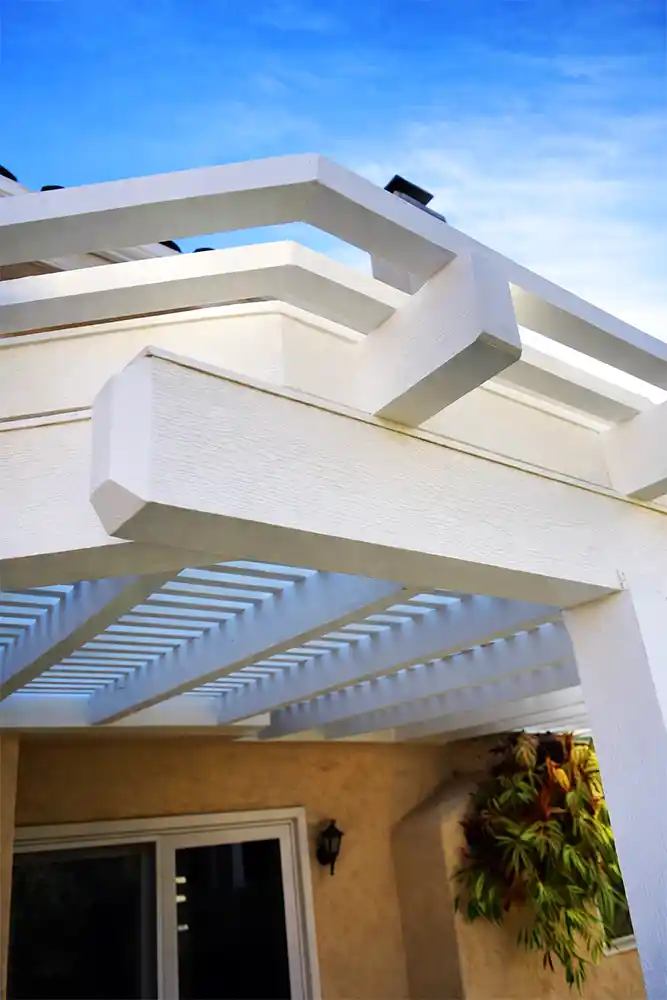
Termite damage repair involves restoring wooden structures that have been weakened or destroyed by termite activity. This typically includes removing damaged wood, replacing structural components, and reinforcing affected areas to restore the strength and safety of the structure.
Termites feed on wood and can gradually hollow out structural components from the inside. This weakens beams, framing, flooring, and other wooden elements, potentially leading to structural instability if the damage is not repaired.
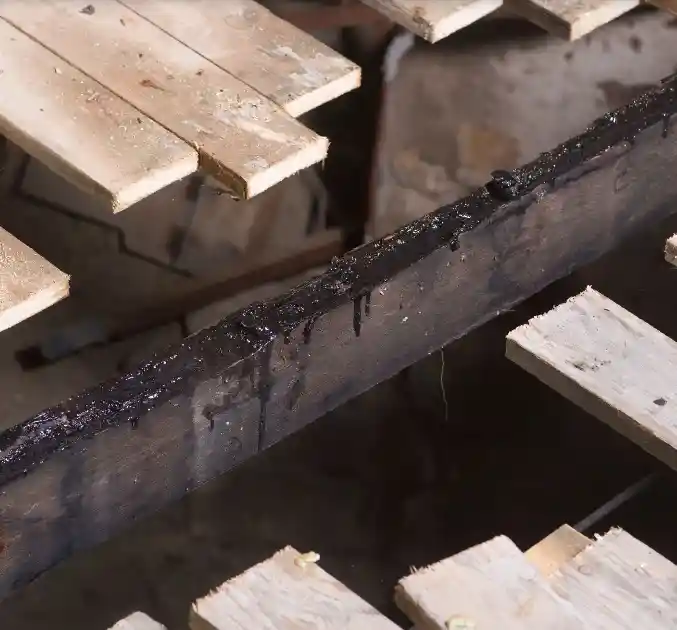
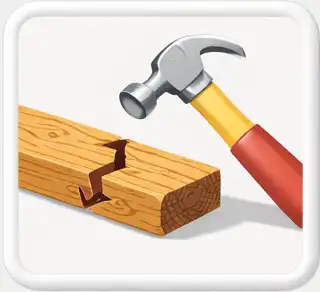
Signs of termite damage may include hollow-sounding wood, small holes in wooden surfaces, cracked or blistered wood, sagging floors, or the presence of termite droppings and mud tubes. In some cases, damage may remain hidden until it becomes severe.
Termites can cause significant damage over time if an infestation is left untreated. Because they work from inside the wood, the damage often progresses unnoticed until structural components begin to weaken.
Yes. Damaged wood can often be removed and replaced, and the surrounding structure can be reinforced to restore stability. The repair process focuses on replacing compromised materials and ensuring the structure is safe and durable.
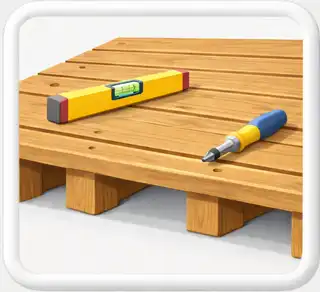
Restoration usually involves identifying the damaged areas, removing compromised wood, replacing affected structural components, and reinforcing surrounding areas. This helps restore the structural integrity of the building.
If termite damage is not repaired promptly, weakened wood can continue to deteriorate and compromise structural safety. Addressing the damage early helps prevent further structural problems and more extensive repairs later.
Reducing moisture around the home, sealing cracks in the structure, and addressing water leaks can help discourage termite activity. Regular inspections and maintenance also help identify potential issues before an infestation becomes severe.
Many termite species are attracted to moisture because it helps them survive and access wood more easily. Damp areas around foundations, crawl spaces, or wooden structures can create conditions that make termite infestations more likely.
Yes. Repairing damaged wood and restoring structural components helps maintain the safety and value of the property. Proper repairs also improve the appearance and functionality of affected areas.
Many termite repair services also identify conditions that attract termites and recommend solutions. This may include addressing moisture sources, sealing entry points, and strengthening vulnerable areas of the structure.
A professional should be contacted if there are visible signs of termite activity, damaged wood, or suspected structural weakening. Early evaluation and repair help prevent further deterioration and ensure the structure remains safe.